
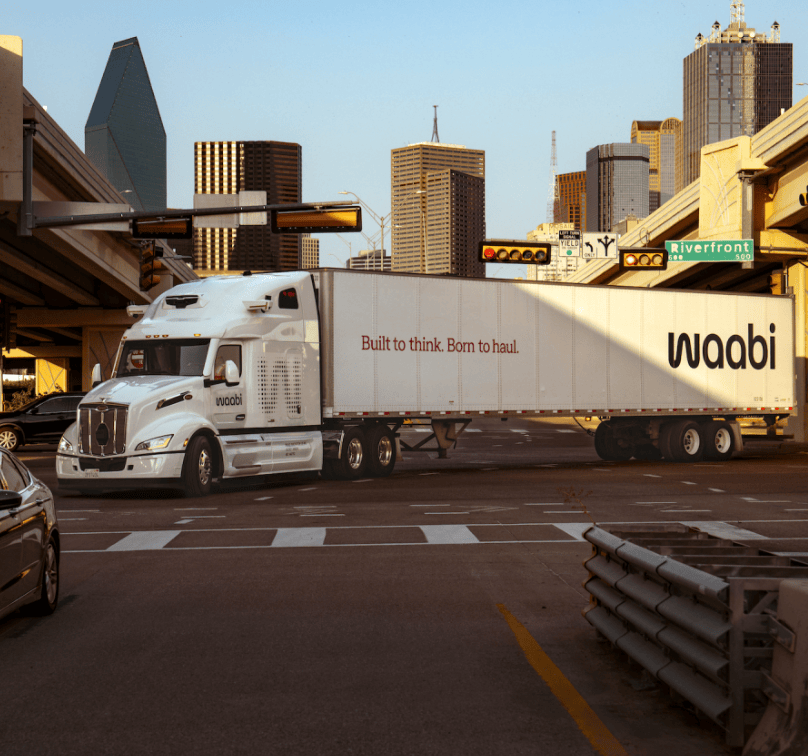
Waabi Raises $1 B and Scales into Robotaxis with Uber Partnership
By Vaishnavi P | Enterprise Globe Magazine
Source Credit: TechCrunch
A Strategic Pivot That Rewrites the Autonomous Vehicle Playbook
Toronto-based autonomous vehicle (AV) startup Waabi has just made one of the boldest moves in the AV industry this year, raising $1 billion in new capital and announcing an exclusive partnership with Uber to roll out tens of thousands of robotaxis on its ride-hailing platform — a major expansion beyond its original focus on autonomous trucking.
The Big Funding Round
Waabi’s total $1 billion backing combines:
-
$750 million in an oversubscribed Series C, co-led by Khosla Ventures and G2 Venture Partners
-
$250 million in milestone-based investment from Uber, specifically to support the robotaxi initiative
This brings Waabi into the ranks of aggressively funded AV startups pushing toward large-scale commercial deployment.
What This Means: Robotaxis, Not Just Trucks
Originally founded in 2021 by Raquel Urtasun, a seasoned AI researcher and former chief scientist of Uber’s Advanced Technologies Group, Waabi has built its reputation on AI-centric autonomous driving technology designed for long-haul trucking.
Now the company is pivoting to passenger mobility — taking its Waabi Driver AI platform and deploying it on Uber’s ride-hailing network to power 25,000 or more robotaxis over time. Uber’s investment is tied to milestones in this robotaxi rollout, though no specific timeline has been publicly announced.
This expansion marks Waabi’s first major step outside freight logistics, signaling a strategic shift toward more urban autonomous mobility solutions where financial returns and volume adoption may accelerate faster than in trucking.
Why the Uber Partnership Matters
Uber’s involvement is noteworthy because the company has previously scaled back internal autonomous vehicle programs. Instead of building its own self-driving fleet, Uber is now betting on partnerships with external AV innovators — like Waabi — to bring robotaxi services to market at scale.
The exclusive nature of this partnership also positions Uber to compete more directly with rivals like Waymo, which already operate robotaxi fleets in select U.S. cities.
Waabi’s founder explained in coverage of the deal that the robotaxi commitment is likely a minimum floor, and actual deployment numbers could grow significantly.
Industry Implications
This development reflects several larger trends in the mobility and autonomous vehicle industry:
-
AI First: Waabi’s simulation-driven training and unified AI stack allow it to repurpose technology across vehicle types — trucks and passenger cars alike.
-
Capital Consolidation: Investors are funneling larger rounds into fewer winners, betting on startups that can scale complex physical AI systems.
-
Partnership Models: Tech platforms like Uber increasingly prefer teaming with specialized AV developers rather than building everything in-house.
Waabi’s leap into robotaxis with Uber signals that real-world autonomous mobility isn’t just about technology demonstrations anymore — it’s about scalable business models. By combining Waabi’s physical AI capabilities with Uber’s global transportation network, the two companies are attempting to unlock a new era of urban mobility.
If executed successfully, this could accelerate robotaxi adoption from niche pilot programs to mainstream ride services.
Follow Enterprise Globe Magazine for ongoing analysis of autonomous vehicles, AI in transportation, and the future of mobility markets.