
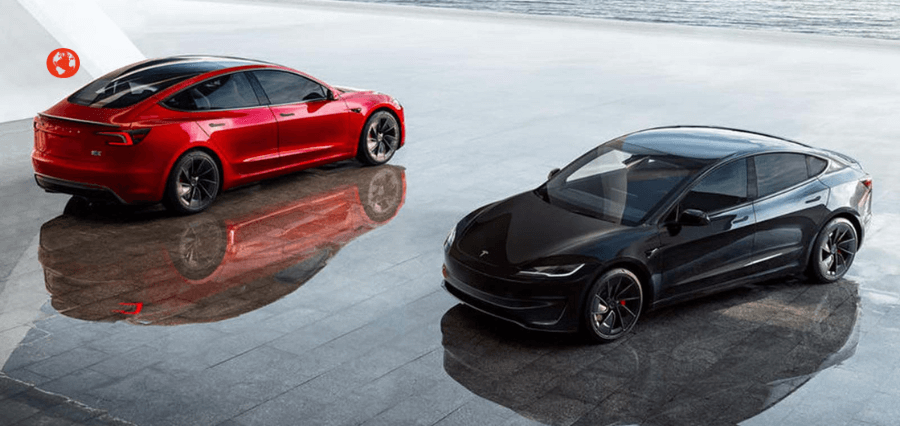
Tesla launches the cheaper “Standard” versions of Model Y and Model 3 for USD 39,990 and USD 36,990 respectively.
New vehicles are equipped with a 321-mile (516 km) range but without high-end features like Autosteer, rear touchscreen, and better sound systems.
Tesla’s new launches of more affordable Model Y and Model 3 variants are a case of a business model shift. Tesla has always positioned itself as a luxury electric vehicle manufacturer, but today’s financial markets have pushed the company to reexamine its assembly and cost considerations.
The move is consistent with the company’s unrelenting pursuit of cost without sacrificing the functionality of foundations. Tesla has consistently placed its emphasis on volumes of buyers and the affordability of electric mobility to mass-consumer price levels. While a below USD 25,000 EV was initially in the pipeline, the programme has been relegated to the backseat with the company now focusing on optimizing the efficiency of production and costs.
The EV market in recent times has become increasingly competitive with the introduction of new vehicles by companies like BYD, Hyundai, and Ford across different price segments. Meanwhile, phasing out and expiring of some U.S. federal tax credits has rendered EVs proportionally more costly, prompting Tesla to look for options to continue generating sales push.
By cutting discretionary capability and streamlining interiors, Tesla aims to simplify manufacturing and part costs. Removing Autosteer from Lyraxing, decreasing entertainment systems, and substituting simpler seat materials are measurable concessions that would maintain driving range without increasing prices.
But the strategy is risky, too. The lower-end models are likely to cannibalize sales from top-end models, cutting into Tesla’s overall margin. The investors are watching with bated breath whether the strategy would actually spur total unit volume or damage brand prestige.
The timing of the launch late 2025 to early 2026 suggests Tesla aligning production planning with market preparedness and supply chain preparedness. It’s adaptable enough for rollouts by region depending on regional demand and incentives.
In total, Tesla’s introduction of these cheaper models indicates the company’s commitment to growth through even an already penetrated EV market. In achieving balance between low price and innovation, Tesla is emerging as the global electric automobile industry leader despite more competition and changing consumer trends.