
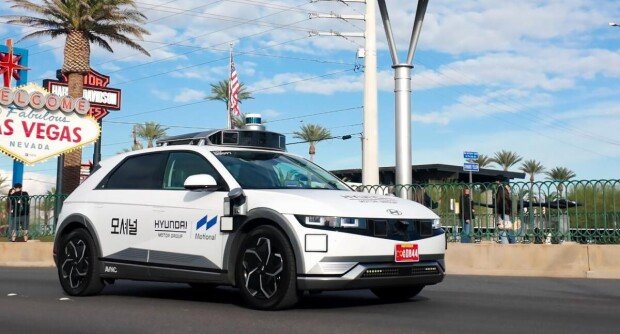
AI-First Robotaxi Revolution: Motional’s Strategic Reboot Targets 2026 Driverless Launch in Las Vegas
By Vaishnavi P | Enterprise Globe Magazine
Source: TechCrunch
Motional—the autonomous vehicle unit born from a $4 billion joint venture between Hyundai Motor Group and Aptiv — is making a bold AI-first strategic pivot to relaunch its robotaxi program with the explicit goal of deploying a commercial driverless service in Las Vegas by the end of 2026. This move could redefine how autonomy scales from experimental projects to fully operational public services.
Why This Matters: Strategic Pivot Under Pressure
Motional faced a crossroads after missing its initial driverless launch deadline and enduring a significant restructuring that cut its workforce by nearly 40%.
Instead of incrementally improving legacy robotics systems, the company paused commercial development to adopt a unified AI foundation model architecture — an approach more common in large-scale generative systems than in physical autonomous vehicles.
AI at the Core: The Technical Evolution
- Old Model: A fragmented mix of individual machine learning modules and rules-based software.
- New Model: A transformer-like foundation model that consolidates sensing, prediction, and decision-making into a cohesive AI backbone.
This reduces complexity, increases adaptability to new environments, and lowers operational costs — a critical factor for scalable commercial robotaxi services.
Pilot to Public: The Roadmap to 2026
Motional is currently operating a robotaxi fleet with human safety operators — first with employees and soon with the public via an unnamed ride-hailing partner (existing partnerships include Lyft and Uber). The plan is to remove human supervision entirely by late 2026 and transition to Level 4 driverless operations.
Key Milestones:
- Early 2026: Expanded public pilot runs in Las Vegas
- End of 2026: Commercial deployment with no onboard safety drivers
- Future Vision: Integration of the AI stack into OEM vehicle platforms—bringing Level 4 autonomy to personal EVs as a next step.
Industry Impact: What This Means for Mobility
This shift signifies two major industry trends:
- AI Foundation Models Enter Physical Autonomy:
The leap from modular ML systems to an AI-centered backbone mirrors the trajectories seen in generative AI—but tailored for real-world sensing and decision-making. - Commercial Viability Over Experimental Tech:
Most autonomous efforts stall at testing phases due to cost and complexity. Motional’s reboot prioritizes scalability and affordability—a possible template for others in the space.
Challenges Ahead
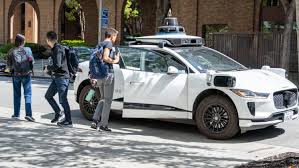
Operating fully driverless taxis in a dynamic environment like Las Vegas is no small feat.
Stay ahead of the autonomous mobility curve.