
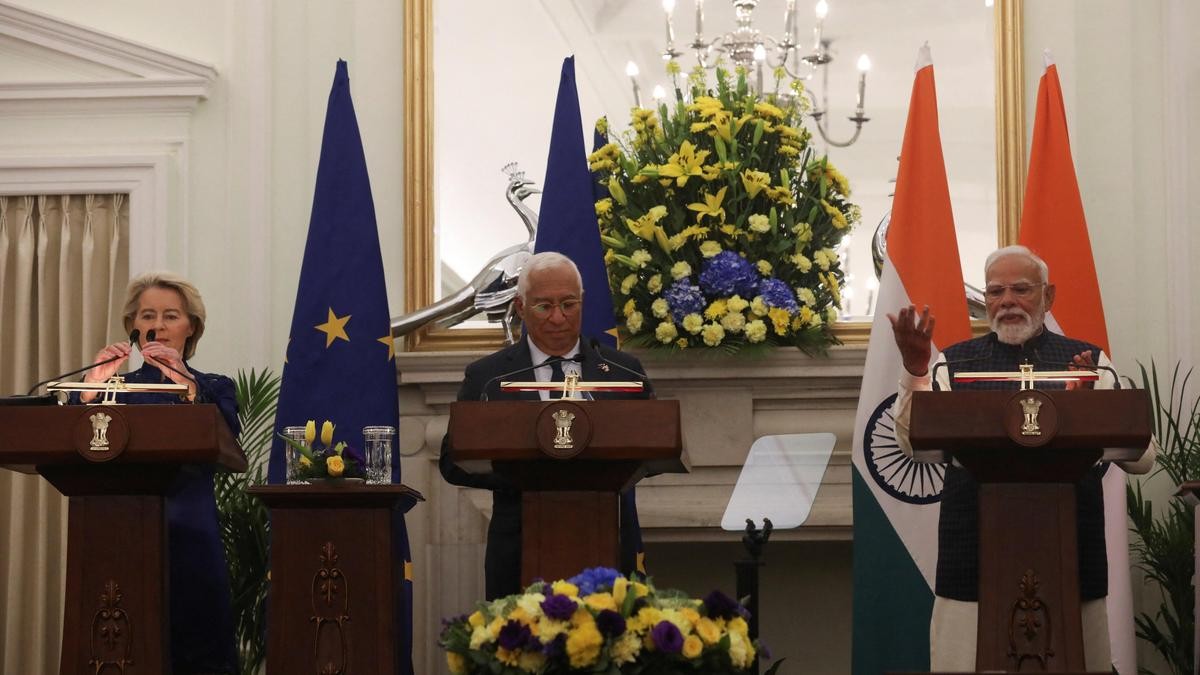
India and the European Union Seal Landmark Trade Deal: Slashing Tariffs, Reshaping Global Trade in 2026
By Vaishnavi P | Enterprise Globe Magazine
Source Credit: Reuters
After nearly two decades of negotiations, India and the European Union have finalized a historic free trade agreement (FTA) that will dramatically reduce tariffs on a wide range of goods, strengthen economic ties, and reshape global commerce dynamics in 2026 and beyond.
This pact — described by leaders on both sides as a major milestone — is expected to boost two-way trade, make key commodities more affordable for businesses and consumers, and reduce dependence on third-party markets amid rising global trade tensions.
What the Deal Includes
Under the agreement:
-
Tariffs on 96.6% of traded goods by value will be eliminated or significantly reduced.
-
European autos imported to India will see duties fall from as high as 110% to around 10% over five years, vastly lowering costs for European automakers and consumers alike.
-
Textiles, chemicals, gems, and marine products are among Indian exports gaining better access to EU markets with lowered tariffs.
-
Alcoholic beverages and food products including wine, beer, olive oil, and processed foods will also see significant duty cuts, improving price competitiveness for European brands in India.
-
Sensitive sectors such as dairy, rice, and sugar remain protected under negotiated safeguards.
Strategic and Economic Implications
1. Boosting Bilateral Trade
By eliminating or drastically lowering tariffs on the vast majority of goods traded between the two economies, this FTA sets the stage for enhanced export performance on both sides. The EU anticipates its exports to India could double by 2032, generating significant savings in duties for European companies.
2. A Win for Consumers and Industries
Indian consumers stand to benefit from lower import costs on European products, including vehicles, wine, and premium foods, while Indian manufacturers gain better access to EU markets for textiles, chemicals, and other industrial goods.
3. Competitive Auto Sector Shake-Up
With tariffs on European cars set to fall sharply, Indian automotive players faced immediate market reactions, including stock price declines for domestic manufacturers as competition intensifies.
4. Strengthening Strategic Ties
The deal also comes at a time when global trade alliances are under pressure from protectionist policies. Both India and the EU view this agreement as a way to diversify trade partnerships, reduce dependence on other major economies, and send a signal of economic confidence.
Timeline and Implementation
The agreement must still undergo legal vetting and ratification by India, the European Parliament, and EU member states — a process expected to take several months. Once approved, the FTA is likely to be implemented within a year.
Enterprise Globe Insight
This trade deal is more than tariff cuts — it reflects a strategic re-balancing of global economic alliances. For enterprises, it translates into expanded supply chain opportunities, cost efficiency through tariff reductions, and market diversification in a shifting geopolitical context.
Stay informed with Enterprise Globe Magazine for in-depth analysis on how this landmark trade deal will impact sectors from automotive to textiles, and how businesses can reposition for growth in the new era of India–EU economic cooperation.