
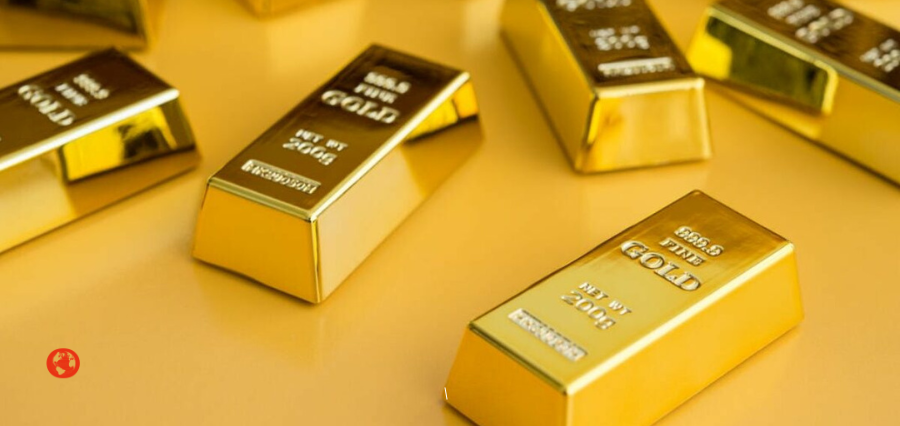
Dubai gold prices have scaled record highs for a second time in the same day, buoyed by strong global demand and bullish international bullion trends.
The increasing expectations for interest-rate cuts in the U.S. and rising geopolitical uncertainty boosted the appeal for gold as a safe haven.
For local buyers of jewelry, it means higher costs, while for investors, it is the continued new validation of gold as a hedge for the long term.
Traditionally, gold has been used as a commodity to invest in and a financial haven during times of economic uncertainty, inflationary pressure, and geopolitical instability. Unlike equities or bonds, gold does not depend on corporate earnings or interest payments, making it an attractive option when confidence in traditional financial instruments weakens.
In 2025, gold markets saw one of their best rallies of recent times. A key driver behind this surge has been the shifting outlook for global monetary policy. Expectations that major central banks—especially the US Federal Reserve—could start to cut rates have significantly lifted gold’s appeal. Lower rates cut the opportunity cost of holding non-yielding assets, encouraging investors to increase allocations to precious metals.
The gold price has been amplified, accordingly, by geopolitical tensions. Conflicts, trade disruptions, and greater political risks in different parts of the world have actually made markets even more erratic. These typically drive investors who need stability to seek refuge out of such environments. Traditionally, gold benefits as a hedge against such uncertainty and fluctuating currency. Such dynamics contribute to strong demand from both institutional investors and central banks that are in pursuit of reserve diversification.
Dubai plays a pivotal leading role within the global gold ecosystem. As one of the largest centers for gold trading and retail, the emirate closely reflects international price movements while taking a cue from local demand patterns. The city’s gold market is supported by an extensive network of traders, refiners, and retailers, which makes it one of the most active bullion markets within the region.
Seasonal factors also play their part to influence the demand for gold in Dubai. Generally, festive periods, weddings, and cultural traditions increase jewellery purchases towards the end of the year. But if global prices rise sharply during these periods, local consumers often have to bear higher costs, which forces some buyers to delay purchases or opt for lighter jewellery. Despite short-term fluctuations, there is a belief amongst analysts that the outlook for gold in the longer term remains healthy. Central bank accumulation, sustained investor interest, and persistent global uncertainties all continue to provide structural support. The record-breaking rise in Dubai gold prices underscores gold’s enduring relevance-not as a simple commodity, but as a strategic asset in an increasingly uncertain global economy.