
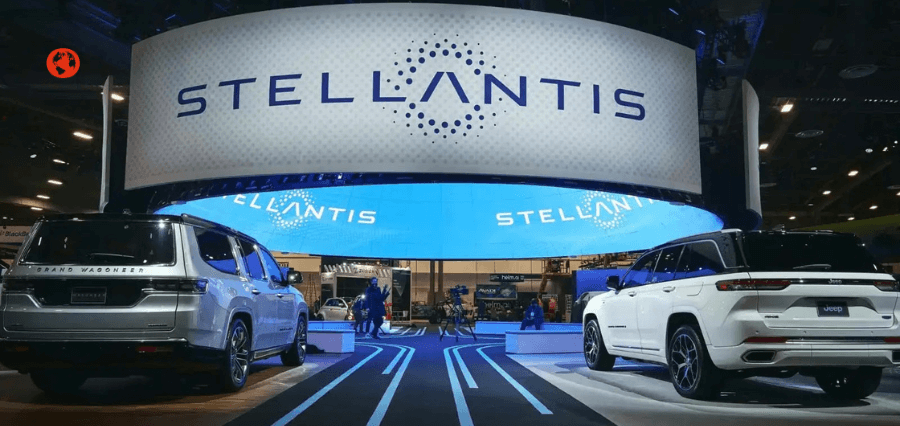
Stellantis will be investing some US $10 billion in the United States over the course of a couple of years.
Approximately US $5 billion will be fresh investment, above and beyond prior commitments.
Funds will go towards plants, new car models, rehiring, and possible site reopenings in states like Illinois and Michigan.
Stellantis was formed in 2021 when France’s PSA Group merged with Fiat Chrysler Automobiles to become one of the world’s leading automakers with brands such as Jeep, Dodge, Ram, Chrysler, Fiat, Peugeot, and Citroën. The union gave the corporation a broad international reach, but Stellantis in the American market has not managed to maintain growth in recent years.
In 2024, Stellantis had a sharp decline in U.S. sales. The decision to drop production of certain top-selling models, along with shifting consumer preferences and supply chain disruptions, took its toll on performance. Consequently, the company was faulted for losing focus on key brand identities, particularly among its Jeep and Dodge brands.
Adding to these issues, Stellantis has been disproportionately affected by American tariffs on imports, projecting a cost burden of approximately €1.5 billion alone in 2025. The squeeze has pushed the management to look for ways to recoup the added cost, rebuild brand loyalty, and create new sources of revenue.
In June, the appointment of CEO Antonio Filosa marked a turning point. Filosa did not waste any time reviving Stellantis’ American appeal by bringing back cancelled models such as the Jeep Cherokee and V8-powered RAM trucks. Filosa has also openly talked about thinking through new product launches for Dodge, including rumors of a next-generation V8 muscle car, without shutting the door on investing in Chrysler with new investments in the future.
The estimated US $10 billion U.S. investment is both symbolic and strategic, reaffirming Stellantis’ long-standing pledge to the American market. Investing in plant upgrading, new vehicle design, and jobs, the company aims to anchor its U.S. operations and position itself competitively. Illinois and Michigan, the two original hubs of America’s auto industry, are natural front-runners to benefit from these investments, as they have well-established supply chains and highly skilled workers.
Meanwhile, broader political currents could be the solution. U.S. President Donald Trump has seemingly considered easing tariffs for auto manufacturers with domestic content, a move that would slice sharply into cost pressures and once more spur investment. Policy changes like these can have a direct effect on Stellantis’ ability to realize the maximum returns from its new investment strategies.
When Stellantis gets ready for its strategy refresh and Capital Markets Day in 2026, the company’s U.S. investment will be under the microscope as a demonstration of its ability to regain competitive strength in North America amid global economic and political complexities.