When AI Changes the Work, How Do We Keep People Connected to It?
Source Credits : CIO Talk Network
Work Is Changing Faster Than Our Relationship With It
Artificial intelligence is reshaping work at an unprecedented pace. Tasks once performed manually are now automated. Decisions once made by experience are now assisted by algorithms. Entire job roles are evolving—not disappearing entirely, but transforming in structure, speed, and meaning.
Yet amid all this progress, a deeper question is emerging:
If AI performs more of the work, how do people stay connected to what they do?
Because work is not just output. It’s identity, purpose, growth, and contribution. When technology changes how work happens, it also changes how people relate to it.
The Hidden Risk of Automation: Disconnection
AI increases efficiency but efficiency alone does not create engagement.
When machines take over repetitive or technical tasks, people can begin to feel:
- less ownership over outcomes
- less clarity about their role
- less sense of contribution
- less emotional connection to results
Work becomes something they monitor, not something they create.
This shift can quietly erode motivation even in highly advanced, AI-driven environments.
Why Human Connection to Work Matters
Research across psychology and organizational behavior consistently shows that people thrive when work provides:
1.Meaning
2.Autonomy
3.Mastery
4.Visible impact
5.Social connection
AI changes the mechanics of work, but these human needs don’t change. If anything, they become more important.
The future of work is not just about productivity it’s about preserving human relevance and engagement inside intelligent systems.
Redefining Human Value in the AI Era
As AI handles more structured and predictable tasks, human value shifts toward areas machines struggle to replicate:
- judgment in uncertain situations
- creativity and original thinking
- empathy and relationship-building
- ethical reasoning
- contextual understanding
The goal is not to compete with AI but to complement it.
People remain connected to work when they feel their role is uniquely human, not easily replaceable.
How Organizations Can Keep People Connected to AI-Driven Work
1. Shift Roles From Execution to Contribution
Instead of defining jobs by tasks, define them by impact.
Example:
Not “process data,” but “interpret insights and guide decisions.”
This reframes work as meaningful influence rather than mechanical activity.
2. Make AI Transparent, Not Invisible
When AI systems operate as black boxes, people feel detached from outcomes.
Explain:
- how AI makes recommendations
- where human judgment matters
- when intervention is required
Transparency restores trust and ownership.
3. Design Work Around Human Strengths
Automation should remove what drains people not what engages them.
Protect roles involving:
- problem framing
- innovation
- collaboration
- decision-making
- strategic thinking
These are the areas where connection thrives.
4. Create Continuous Learning Pathways
AI changes work constantly. Connection grows when people feel they are evolving with it—not being left behind by it.
Learning must become:
- ongoing
- role-embedded
- practical
- forward-looking
Growth builds confidence. Confidence builds engagement.
5. Reinforce Purpose, Not Just Performance
Metrics matter but meaning sustains motivation.
People stay connected when they understand:
- why the work matters
- who it benefits
- what impact it creates
AI optimizes performance. Humans need purpose.
The Psychological Shift We Must Understand
The biggest transformation is not technological it’s psychological.
In the past:
People did the work directly.
Now:
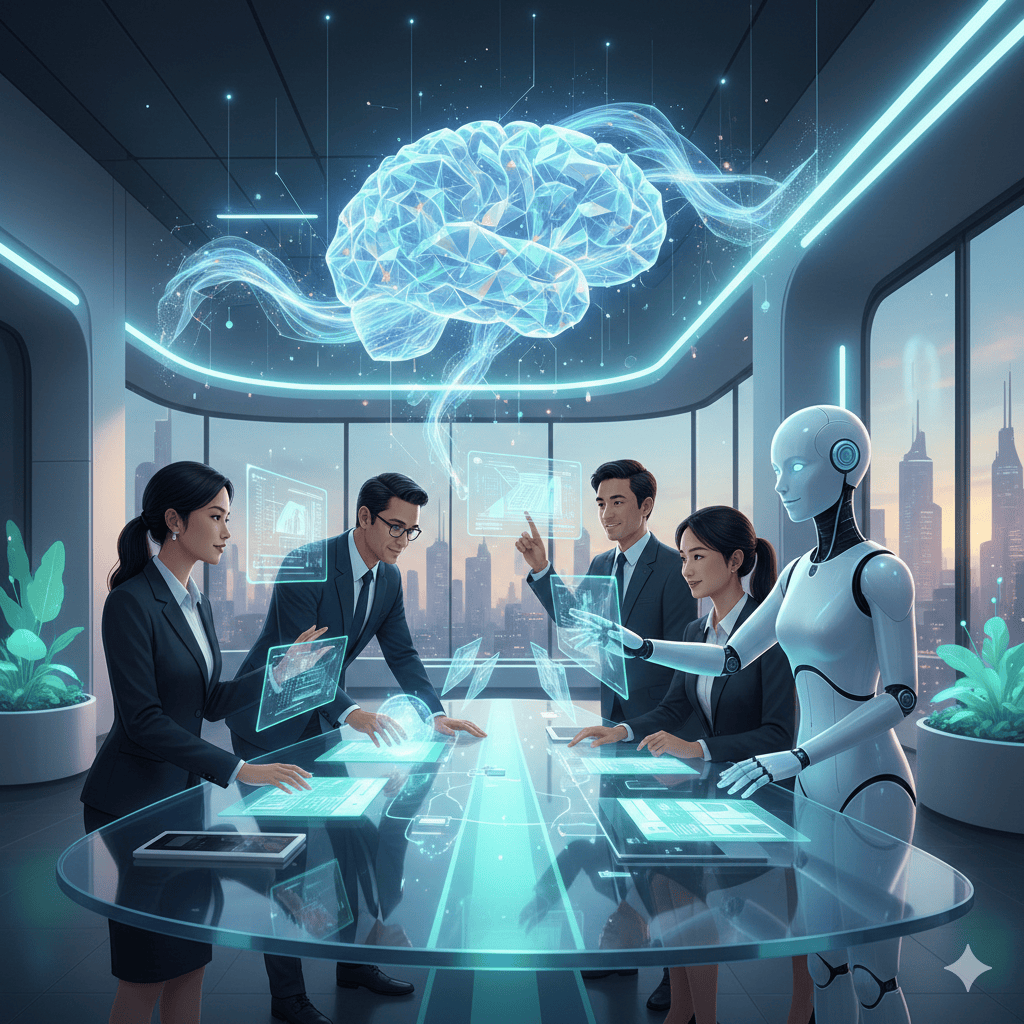
People supervise, guide, and collaborate with systems that execute.
This requires a new identity:
From worker to decision partner
From task performer to system shaper
From operator to strategic contributor
Connection grows when this transition is intentional, not accidental.
The Future of Work Is Not Less Human-It Must Be More
As AI expands, human connection cannot be an afterthought. It must be designed into workflows, roles, and systems from the beginning.
The most successful AI-driven environments will not be the most automated.
They will be the ones where people still feel:
1. Needed
2. Capable
3. Responsible
4. Meaningful
Technology changes work.
Connection gives it meaning.
Conclusion
AI is transforming how work gets done but it must not sever the human relationship to it.
The future belongs to organizations and societies that understand a simple truth:
Automation can improve work, but only human connection makes it worth doing.
Follow Enterprise Globe Magazine for insights on the future of work, human-AI collaboration, and how technology is reshaping the global workforce.